
Cottage Grove · Woodbury · Eagan · Stillwater
Concrete Contractors in Cottage Grove, MN
Calls answered 24/7
Call about a driveway, patio, steps, walk or damaged slab in Cottage Grove and the east metro. Our local concrete professionals assess the slab, explain a written scope and schedule the Cottage Grove area work.
The work
Concrete work for your property
Start with the surface that needs work: replace a driveway, build a patio or steps, repair a slab, or lift a settled panel. Each job has its own page below, and your technician confirms the scope after seeing the site.
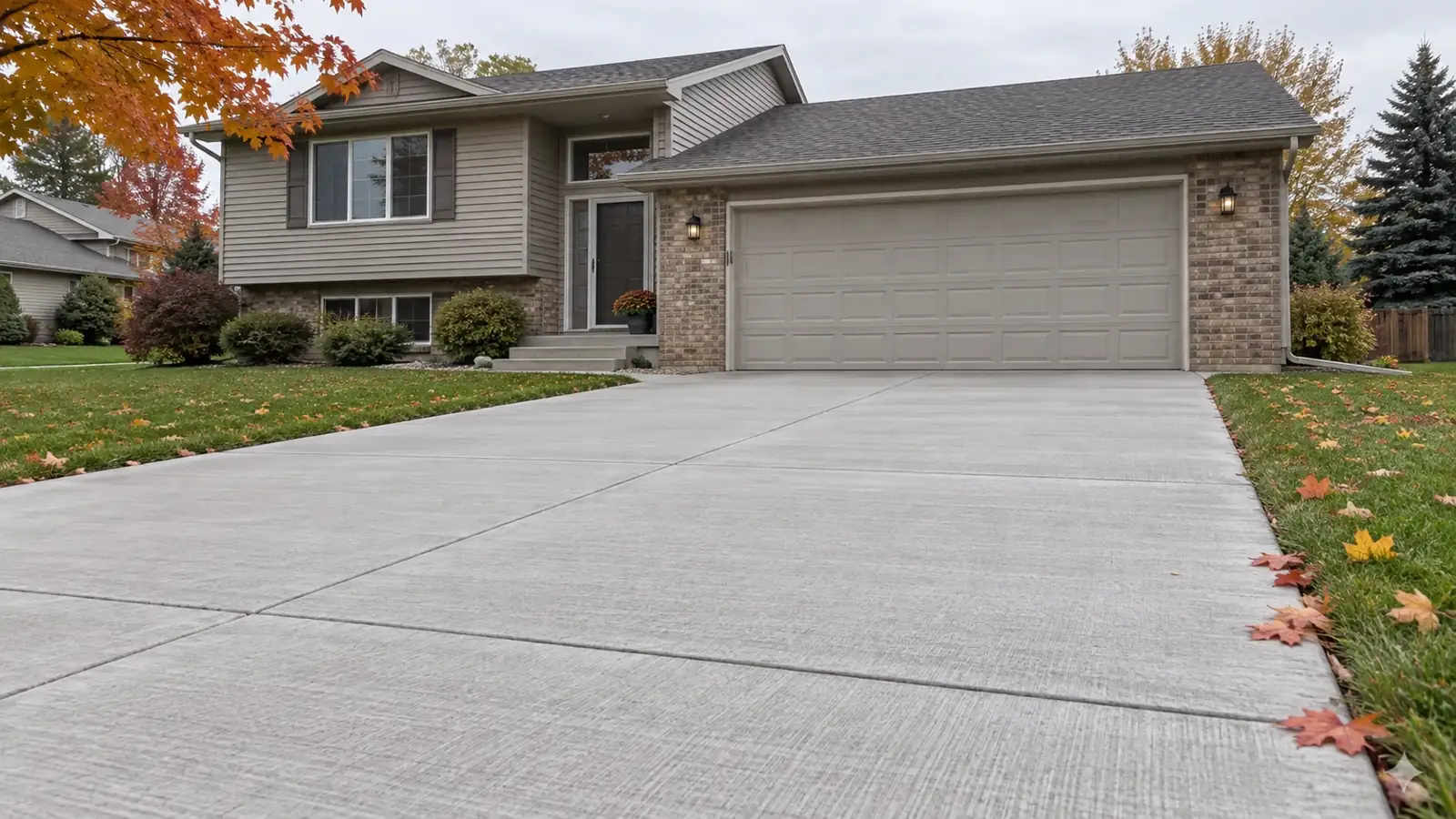
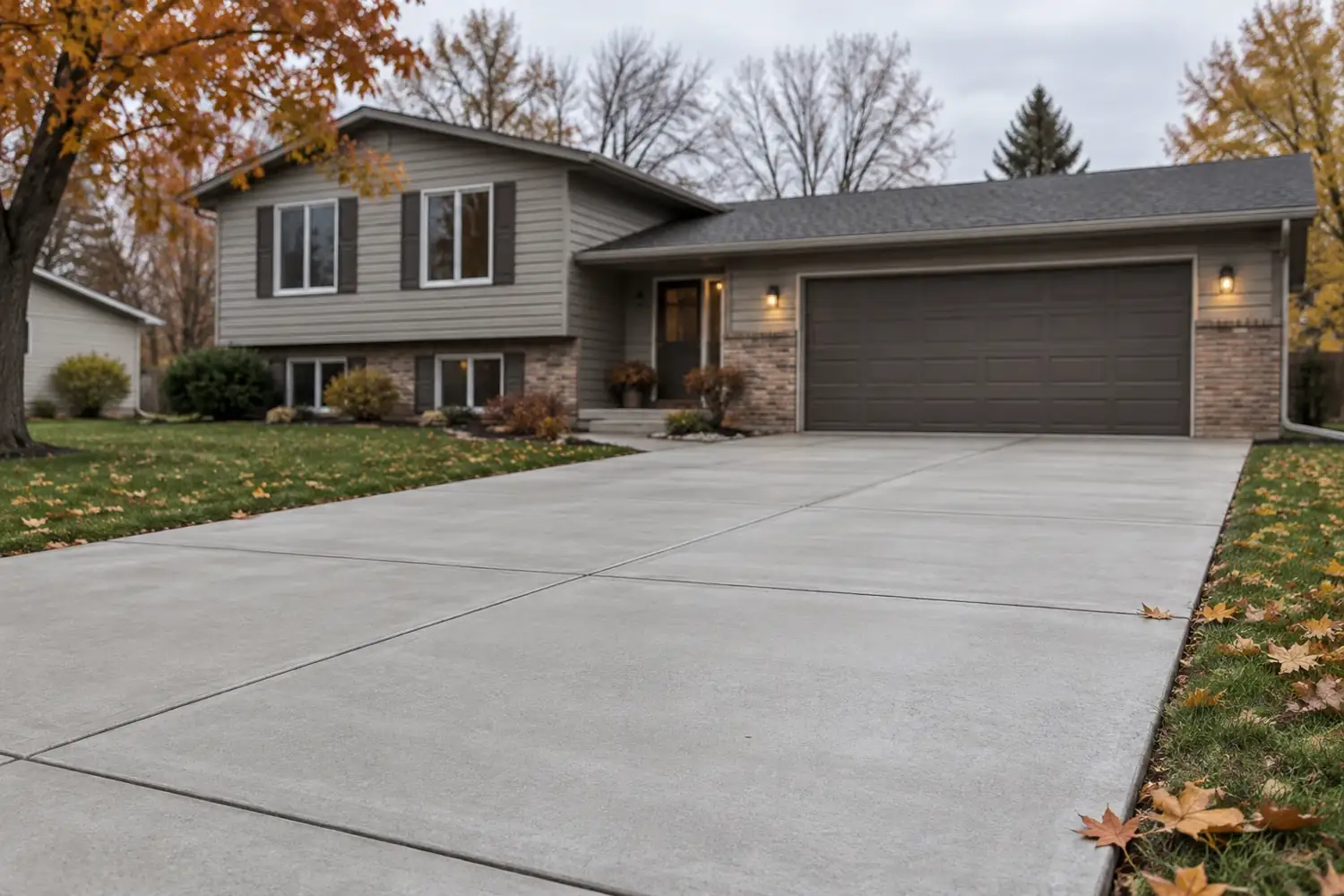
- 01Concrete DrivewaysTear-out and replacement, widening and new aprons, and the city permit that usually comes with them.
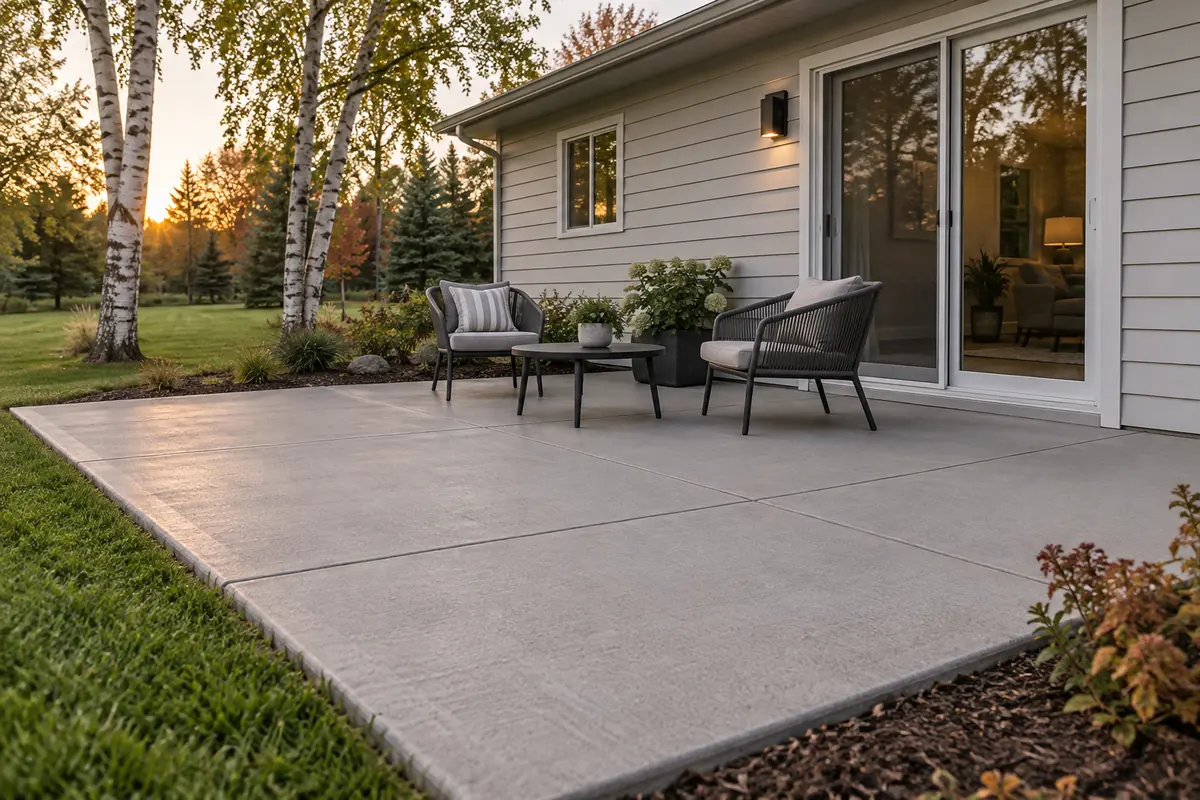
- 02Concrete PatiosBackyard slabs sized for real use, sloped away from the house, in a broom, exposed or stamped finish.
- 03Stamped & Decorative ConcretePatterned and colored patios, walks and driveway borders, plus the sealing and winter care they need.

- 04Sidewalks & WalkwaysFront walks, side paths and public sidewalk panels, which often run through a separate city permit.

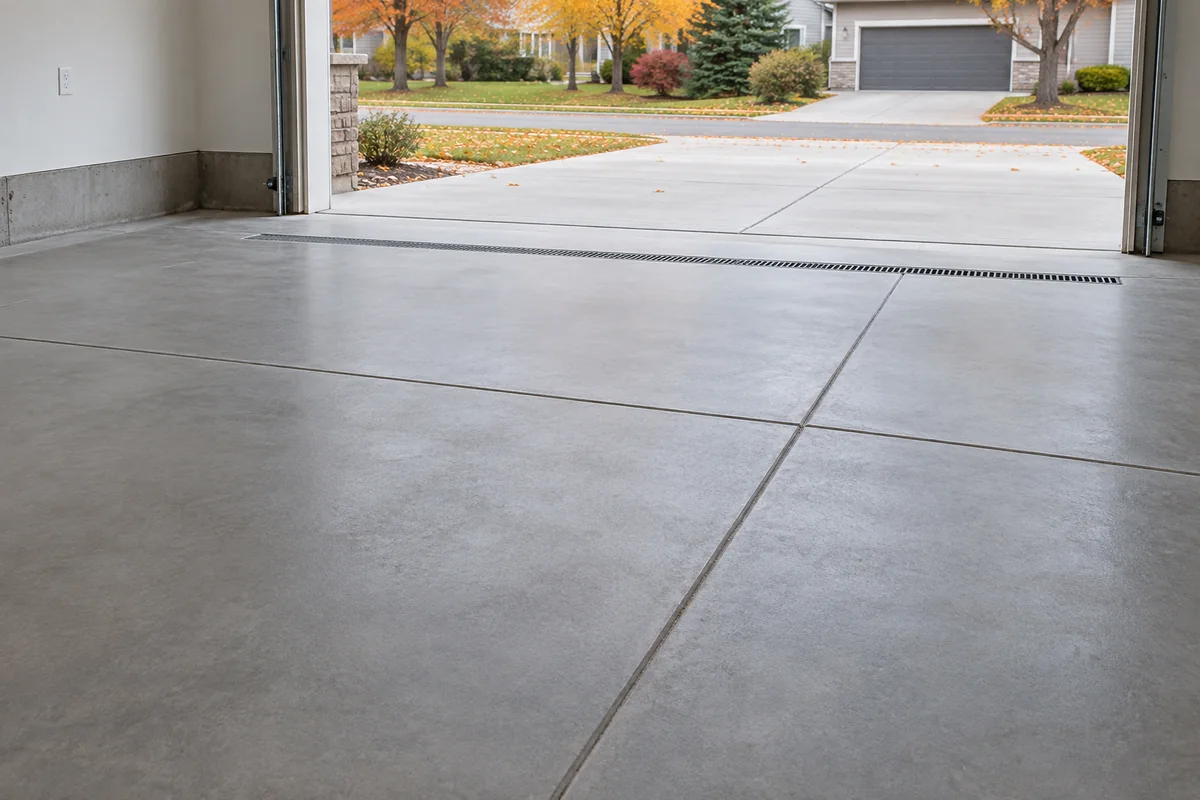
- 05Slabs & Garage FloorsGarage floors, shed and hot-tub pads, and the base, drain slope and joints behind them.
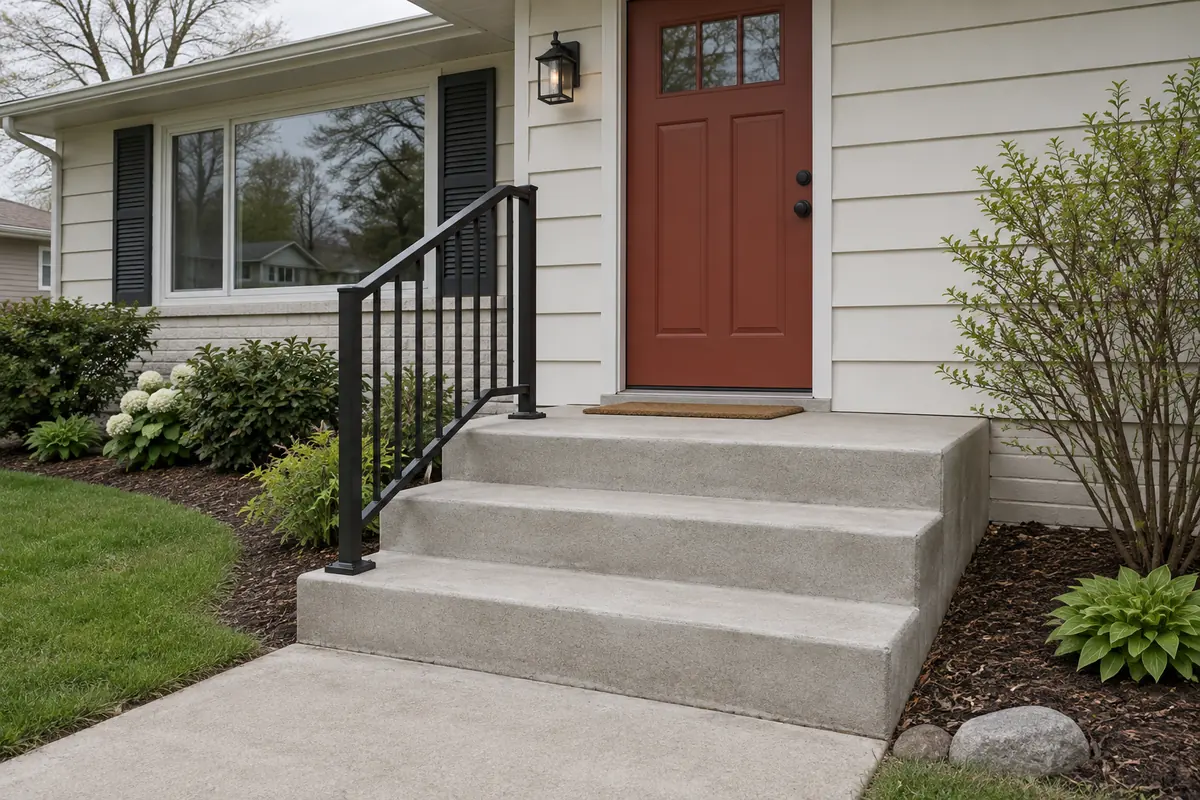
- 06Concrete Steps & StoopsFront stoops and steps that have heaved, cracked or pulled away from the house, rebuilt on proper support.
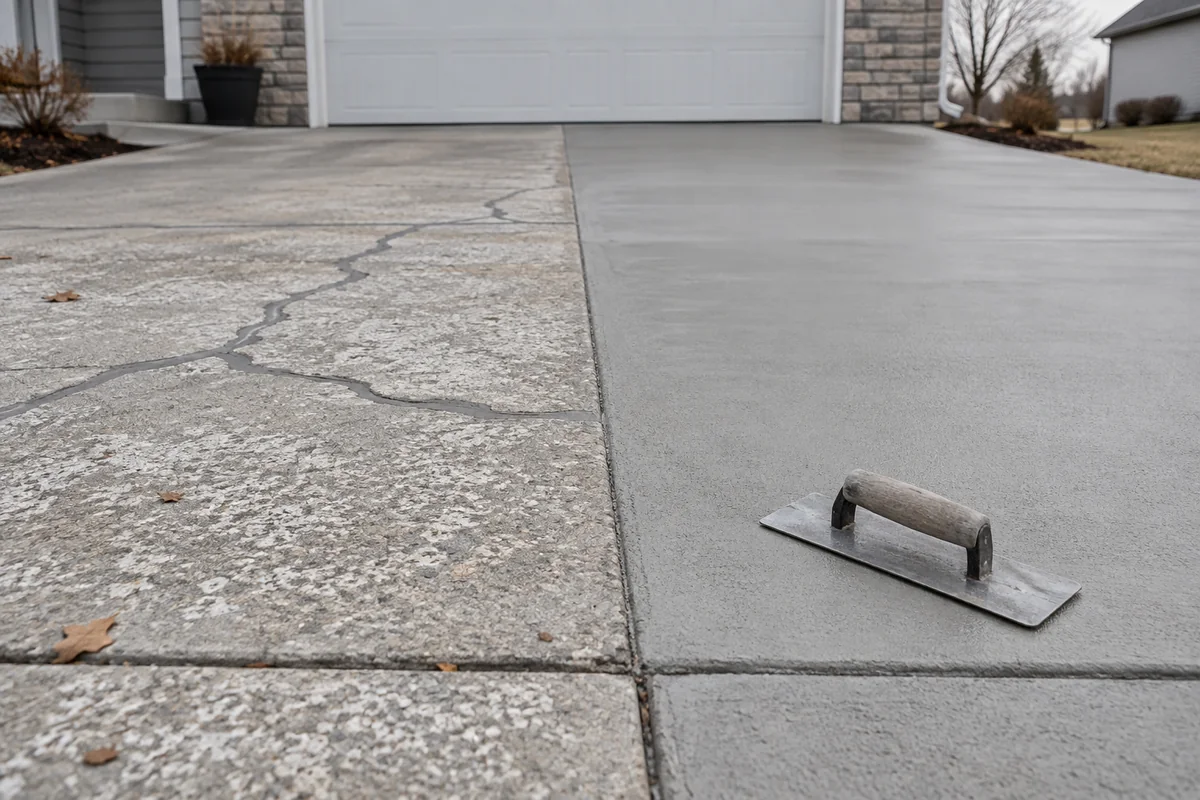
- 07Concrete Repair & ResurfacingCrack and joint sealing, patching and resurfacing of scaled concrete, and when a repair will not last.
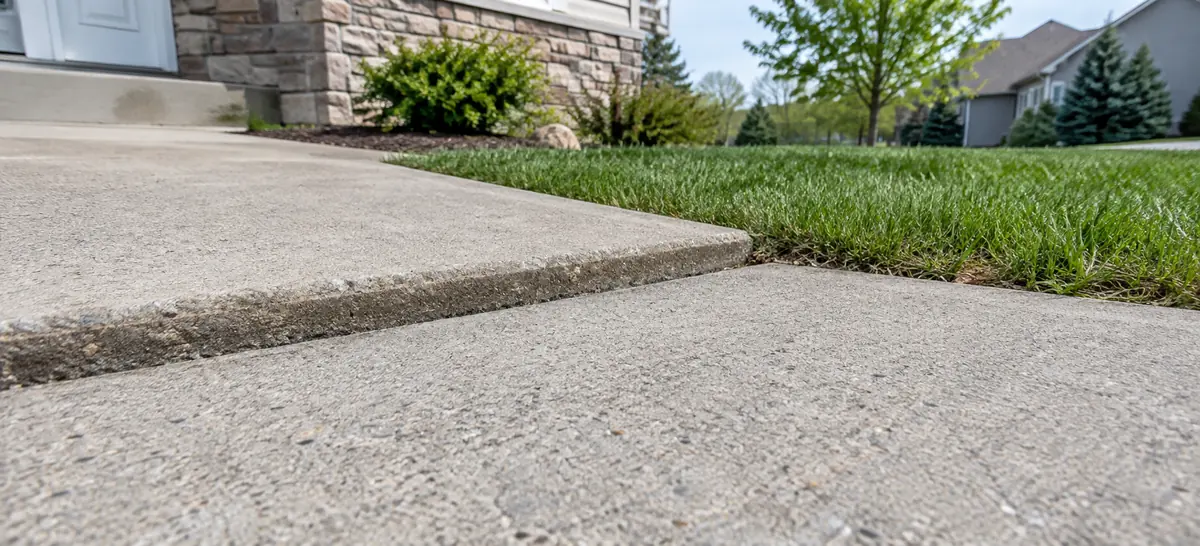
- 08Concrete Leveling & MudjackingLifting sunken walks, patios and driveway panels with slurry or foam instead of replacing them.
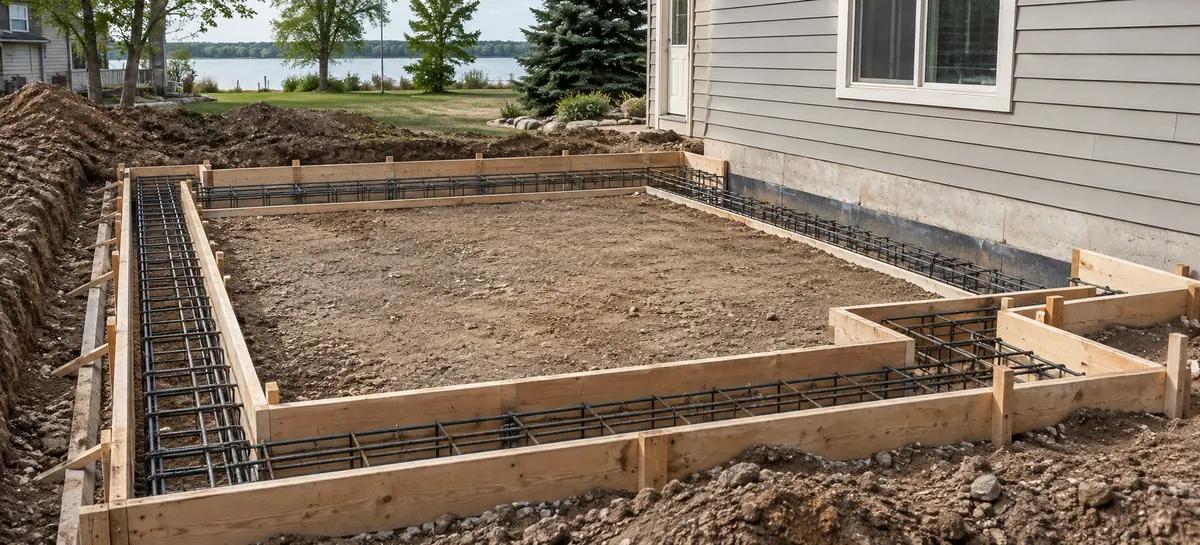
- 09Foundations & FootingsFootings and poured walls for additions, garages, porches and decks, set to Minnesota frost depth.
Pour season
Minnesota's pour season
Fresh concrete has to be kept from freezing until it reaches about 500 psi, roughly two days after the pour, and a new slab should see no deicer in its first winter. Those two limits shape when east-metro homeowners book outdoor concrete.
Spring after the thaw
Frost leaves the ground unevenly, and heaved or sunken panels show up now. Photograph them before they settle back, and wait for a thawed, drained base before any pour.
Summer peak pours
The easiest months to pour. Heat and wind dry the surface fast, so ask how the slab will be cured for its first 3 to 7 days: curing compound, wet coverings or plastic.
Fall last window
A late pour meets the first freezes while the slab is still saturated. Ask whether the mix is air-entrained, how it will be covered on cold nights, and plan on sand, not salt, that winter.
Winter plan and quote
A stretch of days averaging under 40°F counts as cold weather, when fresh concrete needs heat or insulated blankets. Winter is the time to measure, photograph damage, check permits and line up quotes.
Local ground
Why concrete wears out here
St. Croix Valley Concrete Group covers Cottage Grove and the rest of the east metro, where the same three things shorten the life of most driveways and walks: water, freezing and salt.
Freeze-thaw and salt
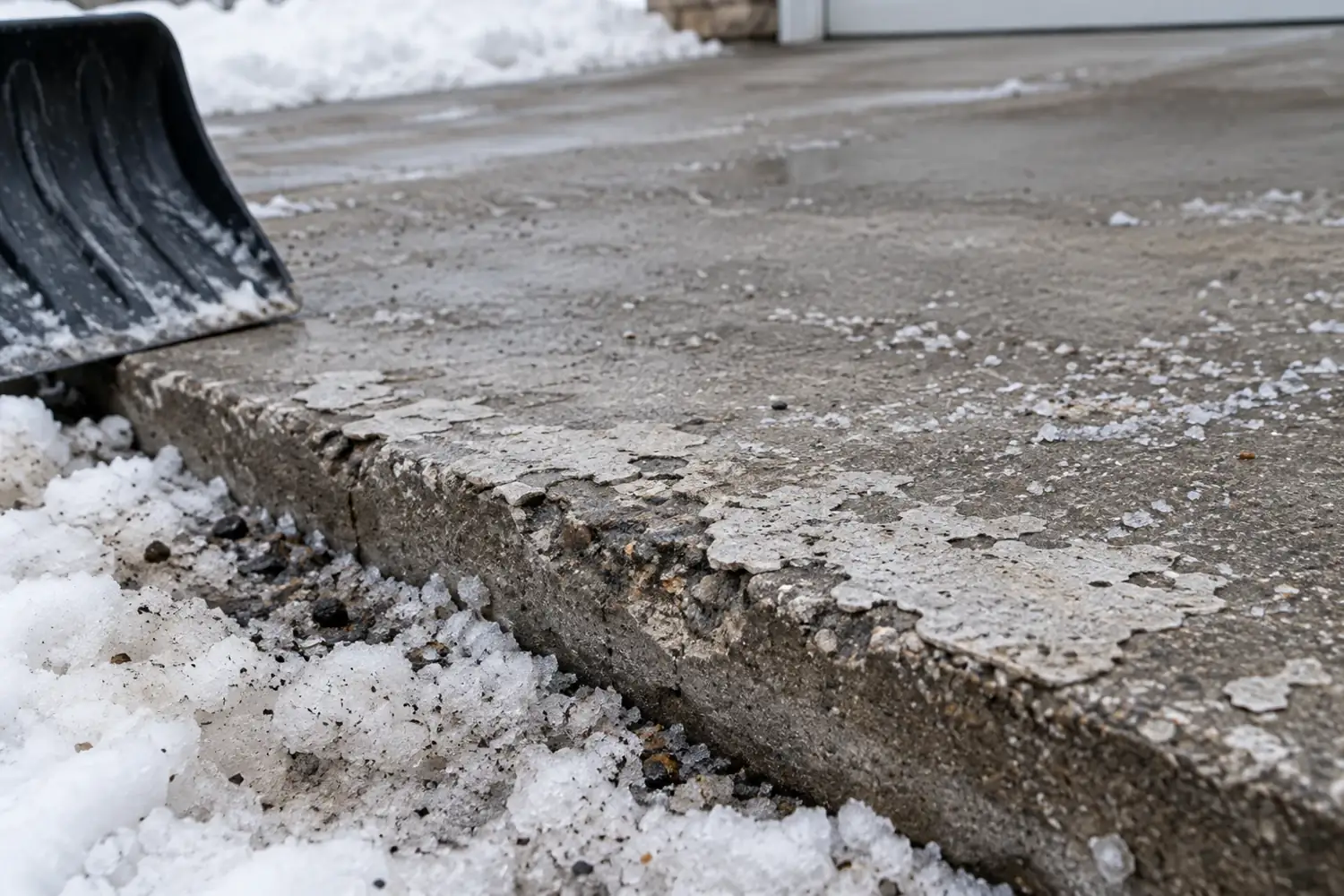
Concrete that is saturated when it freezes is stressed by the ice forming inside it, and deicing salt keeps the surface wetter through more of those cycles. The result is scaling, the flaking top layer common on older aprons. Air-entrained concrete, full of tiny bubbles that give the ice room, is the main defense: the National Ready Mixed Concrete Association recommends about 6 percent air and 4,000 psi concrete for exterior slabs that will see deicers. Ask for both on the written quote.
Frost and footings
Minnesota's footing rule puts frost protection at 3-1/2 feet in Washington, Dakota and the other Twin Cities counties (Rule 1303.1600). A stoop or step on shallow support can heave with the frost and pull away from the house, so ask what a new one will sit on.
City rules
Cities differ on permits, widths and setbacks. Cottage Grove caps a driveway at 28 feet wide at the front property line, while Eagan limits it to 22 feet inside the street right-of-way. Each town page covers that city's rules.
Where
Town permit guides on both sides of the river
Each town guide names the office that issues a driveway or right-of-way permit and the city limits that change a quote, from Cottage Grove and Hastings to Hudson and River Falls in Wisconsin.
How it goes
What happens after you call
- Describe the job: the address, rough size, what is there now and what is wrong with it. Photos on your phone help.
- On the call, you go over the address, the scope and a time for the site visit.
- Your technician visits, measures and gives a written quote covering tear-out, base, thickness, joints, finish, curing, the city permit and the utility locate before any digging.
- You decide. If you go ahead, your technician sets the pour date around the weather, does the work and gives you the care instructions.
FAQ
Questions, answered
How will I know what the concrete work will cost?
Your technician sets the price after visiting, measuring and seeing what is there now, and should explain it before you sign. Ask your technician for a written quote that covers tear-out, base, thickness, joints, finish and the permit, and compare it with the dated ranges in the cost guide.
Which towns do the guides cover?
Forty-two towns: Cottage Grove, Woodbury, Eagan and Stillwater first, then the nearer Twin Cities suburbs, down the Mississippi to Hastings and Red Wing, and across the St. Croix to Hudson and River Falls. Each guide lists that city's permit route and the rules that change a driveway quote.
Do I need a permit to replace my driveway?
Often, even on the same footprint. Cottage Grove requires a building/zoning permit for new, replacement and overlay driveways, and Eagan requires a zoning permit for every replacement or expansion, plus a right-of-way permit if curb and gutter are removed. Check your own city's guide and settle who pulls the permit before signing.
When should I call about a spring or summer pour?
Winter or early spring is a good time to start. That is when you can measure, photograph the damage and check the permit rules, so your technician quotes from real information. Pouring very early in spring or late in fall is possible but calls for protection against freezing, which adds work to the job.
Know what you want poured or fixed? Call with the project and address to discuss a site visit.
Call (651) 419-6099